Prehistory
Introduction to Art History
When we talk about prehistory, we’re talking about a long time ago. But… How can we measure how much?
If we go back in time, back to when our caregivers were our age, we can observe that those were differet times. Maybe, in some cases, internet was completely different. Was there even internet when they were our age?
How about when the parents of our caregivers, when they were our age… How was the world back then? Was it the same? I mean, what kind of objects did they use? How were cell phones back then? Were they even as popular as they are today? Did they even exist?
If we go after the grand parents of those caregivers, and their grandparents, we can start go back in time. And we can start seeing things becoming even more different then before. If we go back in time enough, we can see the times when the europeans got to the American continent for the first time. We can see medieval castles being made, and even the Roman Empire. But… What happenned before that?
Prehistory
Before all the great civilizations, before all the great constructions that we know even exist, there were the first human beings. The times those first human beings existed is called “Prehistory”. It has this name because it comes before the written language.
Some people call it “pre literary history”, and it’s way more accurate. Because history does not depend on the written language, and even nations that do not have written language, that doesn’t mean they don’t have history. But… The most popular name is still pre history.
Because of its length, prehistory was divided in three different eras: Paleolithic, Neolithic and Metal Age.
Paleolithic
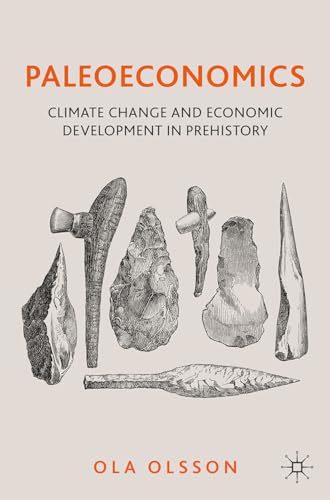
It was the first era, the most ancient one, and it happenned between 2,5 million years b.C. up untill 10.000 b.C.. And can also be called Old Stone Age or Chipped Stone Age. It’s when we start seeing the first kind of tools made of chipped stone, hence the name. Here, human beings live a nomadic life style, they are nomads. A nomad is someone that has no permanent abode and travels from place top lace to find food and shelter for their livestock.
During the Paleolithic, it also happens the discovery and development of a loto f art forms, such as music, theatre, drawing, painting and sculplting. Music was made out of percussion and voice.
The most ancient cave paintings from the paleolithic had lines made on the cave’s walls and works like the negative hand stencil and the hand stencil. The negative hand stencil is done by throwing pigments against someone’s hands, marking the shape of the hand on the wall. The hand stencil was made by putting the pigment over someone’s hand and stemping it up into the wall, marking it like a stamp.
Paleolithic art has a connection with rituals
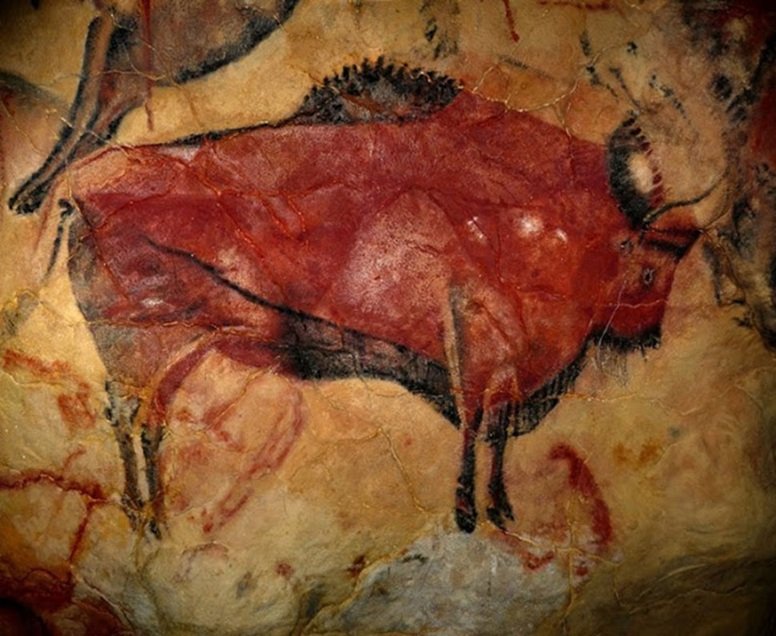
With the passage of time, even during the paleolithic, the paintings on the walls of the caves will have a more realistic look. Humans, during the paleolithic era, will atribute to paintings and to the arts in general, a ritualistic vision. And what does that mean?
As an example, paitings could be part of the ritual of the hunt. They believed that, if they painted the most realistic animal they could, it would create a connection to the real animal they wanted to hunt. And, with that connection, if they hurted or killed the drawing or the painting of said animal, the real animal would be weakened and would be easier to be hunted down.
The diet and the process of feeding oneself in the paleolithic happenned through hunting, gathering (colecting vegetables) and fishing. There was no agriculture yet, which means they didn’t have the knowledge to plant.
That means that humans were constantly in movement in search of food, safety and ways to maintain oneself. That means they were nomads. They were wanderers, didn’t have a permanent abode. Whenever they found a place with vegetables they could eat and animals they could easily hunt or fish, and also in an environment where they found they would be safe, they tried to stay there for a while. But once those resources were over, it was time to move and to go wander again.
Time will pass and new developments will change their day to day life. And a new era will start.



Neolithic
Second period of the prehistoric times, and it will be marked by the discovery of agriculture. This discovery will allow a new lifestyle, alternative to the current nomadism. With agriculture, the first groups of people will start to gather into bigger groups, that will start to slowly form the first villages.
Nomadism was not over with that discovery. As we said, if started an alternative, but nomadism still exists in our times. For different reasons. Some groups, in fact, choose to live in a form of nomadism. Back then, it started to reduce, though, to the possibility of a year round settlement.
Tecnologies of the neolithic era
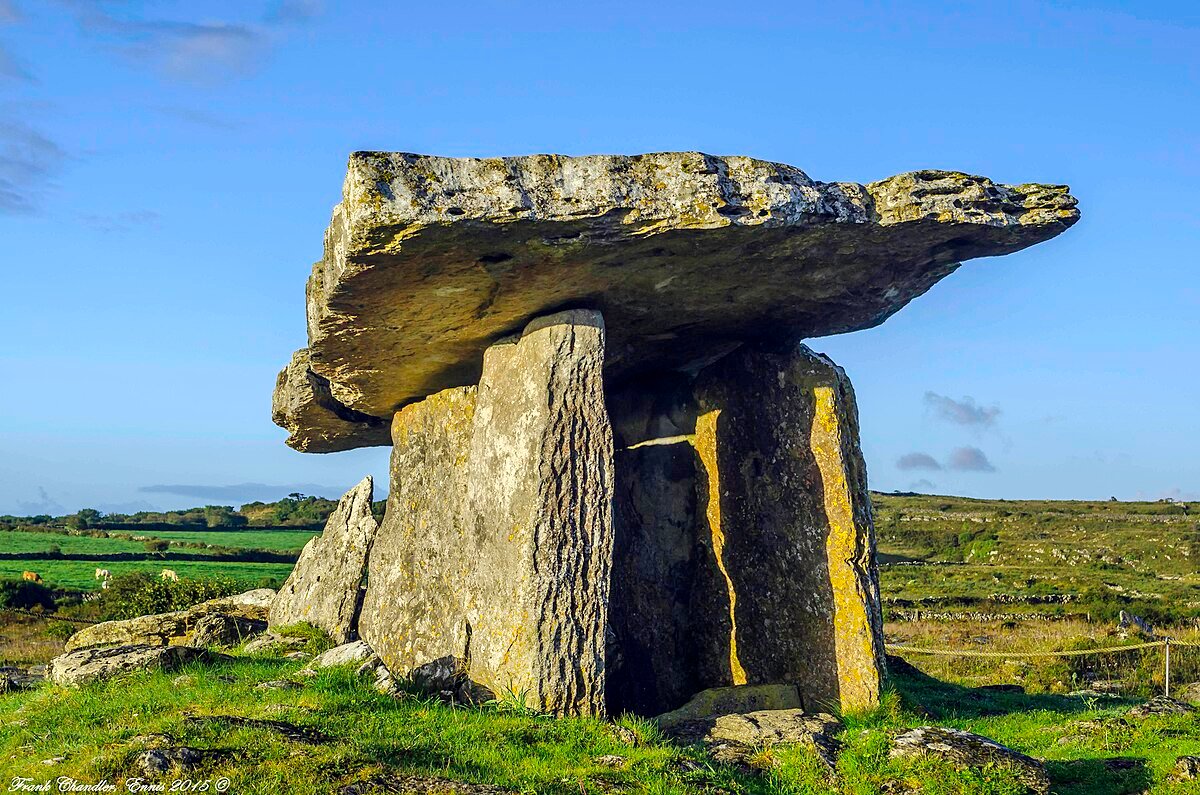
Known as the age of the polished stoned age. The tools, during this age, are more polished and have a more refined finishing.
The paintings and drawings, however, start to get more simplified, and look more and more like symbols. This will eventually turn out to be the seeds to the written word. This change ends up being not just about the form and the technique, but also the motivation behind them.
Those drawings start to show representations of the life of those human beings back then in a more symbolic way. They are representations of their day to day activities.
During the neolithic era we also have the invention of arquitecture, counting and accounting. In the architectural field, we have the presence of Dolmens and Menhirs.
During the paleolithic, sculptures are necessarily small, to make them easy to carry during a move. The neolithic sculpture doesn’t necessarily follow the same rules. The neolithic artist will be comfortable working with a larger scale.
The metal age
The metal age will carry important discoveries. Not only in the field of metalurgy, of working with metals, but also the symbols and graphics that will originate the written word.
The fist cities will also start to appear during the metal ages. Human beings are getting more and more adjusted to their settlements, specially on the most fertile places of the globe.
Prehistory around the world
All around the globe, there are many places that hold traces of pre historic human life. Those places are named archaeological sites, and they can be visited even in our times, such as:
The Altamira Cave
It’s located in the municipality of Santillana del Mar, in Cantábria, Spain. The Altamira prehistoric cave has different paintings from the stone age, and some of them show animals that the human beings had to deal back then.
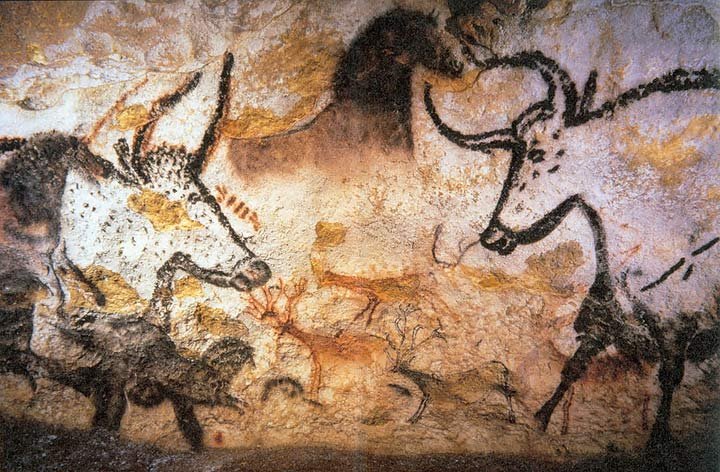
The Lascaux Cave Complex
Located on the southeast of France, in Périgord, in the comune of Montignac, it’s a complex of caves with a lot of diverse paintings from the period. It’s possible to do a 3d walk though the caves and see it from your home.
Stonehenge
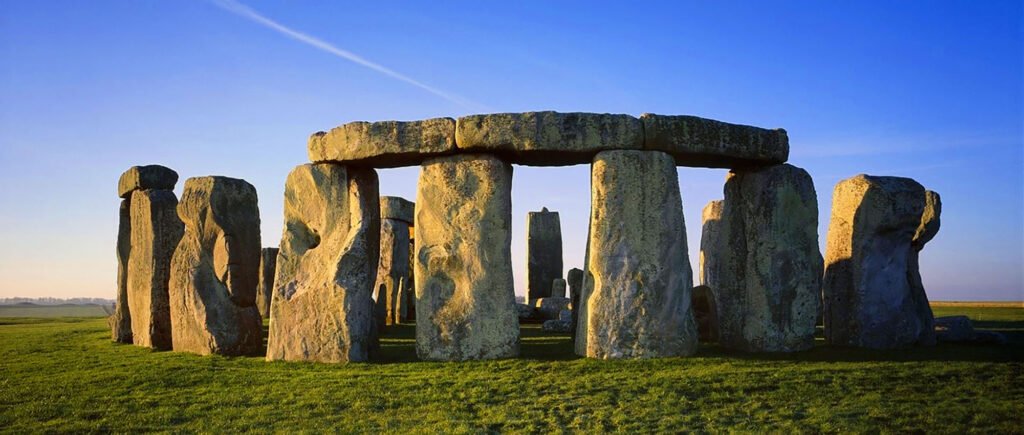
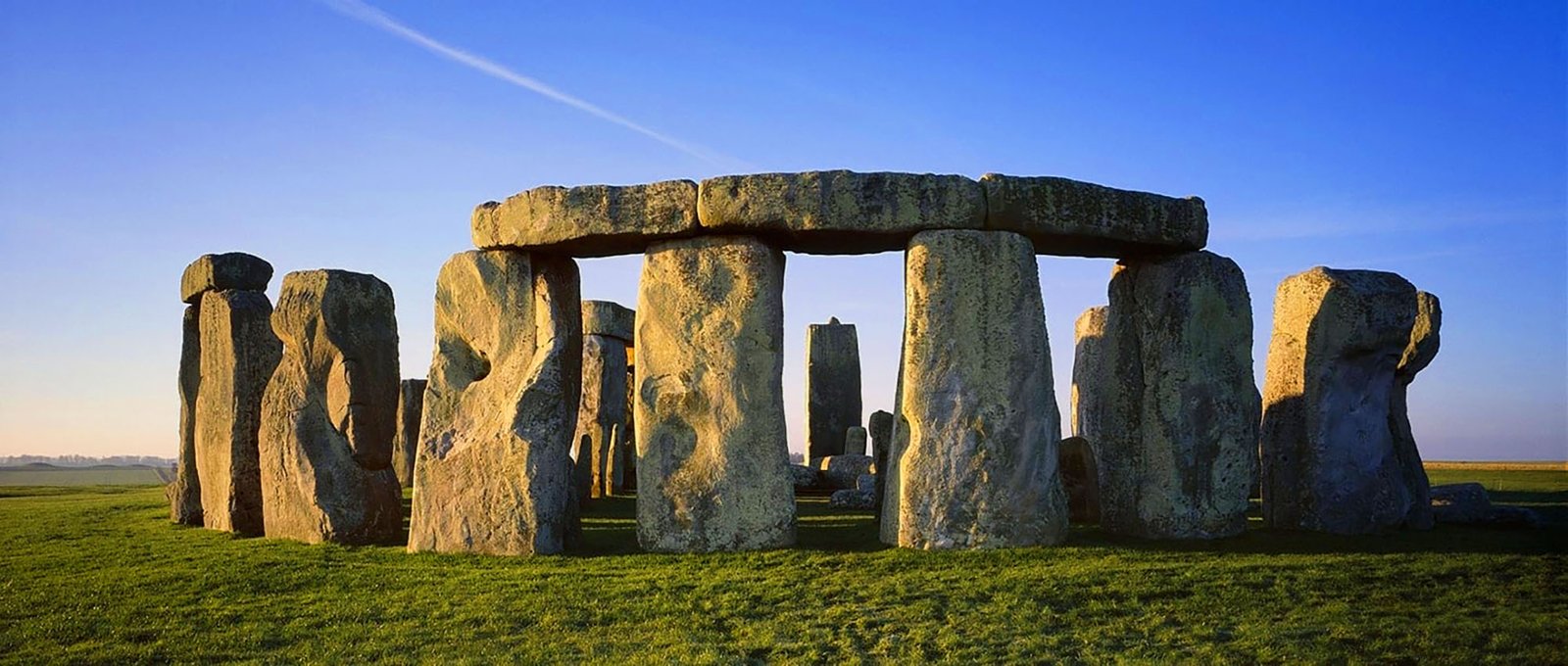
Being famous for its movies and videogames, it’s a monument that is located in England, in the Wiltshire county, Salisbury. It has a round formation of large and heavy stones. There are many mysteries and theories around it’s existence and usage. It’s structure reminds a sun clock. There are traces and evidences that point that this place might have been used for rituals.
Leang Tedongnge’s Cave
Located in Indonesia, in the Celebes Island, it contains an image of a boar that is considered, up to the day of this post, the oldest figurative work of art in the world, according to the Science Magazine.
Wonderwerk
Down in South Africa, in the Kalahari desert, there’s the most ancient home ever seen in the world. There are evidences of the use of fire and the manufacturing of tools, close to 1,8 million years ago.
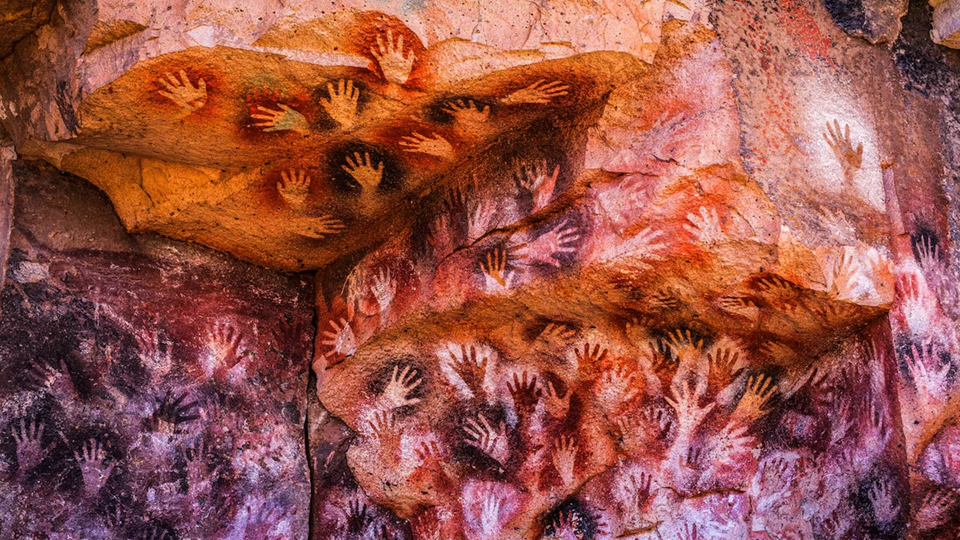
Cueva de Las Manos
In the valley of the Pinturas’ river, it is located in the province of Santa Cruz, Patagonia, Argentina. It’s name means “Hand’s cave”, because of paintings of hands that can be found there. This kind of painting can be done in negative (when you throw pigments on the top of your hand) and in positive (when you dive your palm in pigment and print it on a sufface, like when you are getting your fingerprints taken), and it’s quite common, specially during the paleolithic era.
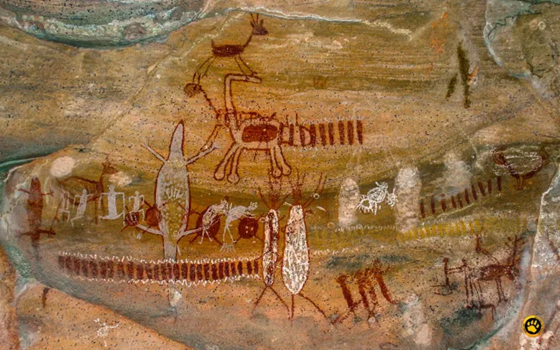
Serra da capivara
The National Park Serra da Capivara is situated between the municipalities of São Raimundo Nonato, João Costa, Brejo do Piauí and Coronel José Dias, in the state of Piauí, Brasil. It has a lot of paitings and engravings from the prehistoric period.
PDF with activities
| Green thumbnails: Free for use – The pdf won’t be green 🙂 | ||
 |
 |
 |